
AED Pads and Batteries Replacement Guide Ireland
AED readiness depends on replacing pads and batteries before expiry and keeping the device visible, accessible and ready for use. Use this guide to check replacement intervals for the ZOLL and Powerheart models we supply, and to gather the details for a replacement quotation.
Why AED Pads and Batteries Expire
Defibrillation pads are gel-backed electrodes, and the gel degrades over time even in sealed packaging, so every set carries a printed expiry date. AED batteries discharge slowly while the unit runs its self-checks, so they carry a stated life or replacement programme. An AED with expired pads or a depleted battery may not be ready when someone collapses, which is the whole reason the device is on the wall.
Most AEDs run automatic self-checks and show a status indicator. Treat a warning indicator or chirp as an order for replacements, not a suggestion.
Replacement Intervals by Model
The figures below are the manufacturer's published figures for the models supplied through this catalogue. The expiry date printed on each pad packet or battery always governs, because shelf life runs from the date of manufacture, not the date you fitted the item.
AED model | Pads | Battery |
|---|---|---|
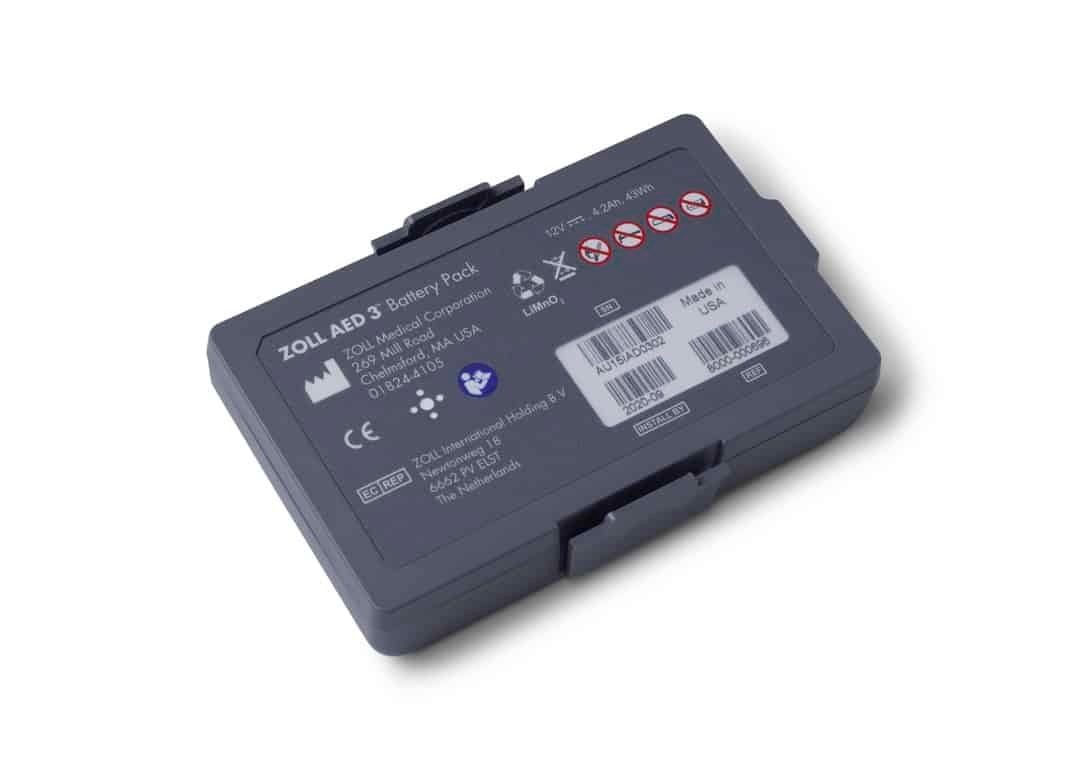
ZOLL AED 3 | CPR Uni-padz Universal III electrodes: five-year shelf life; one set covers adult and child patients | Replacement battery pack: replace when the device's status check calls for it |
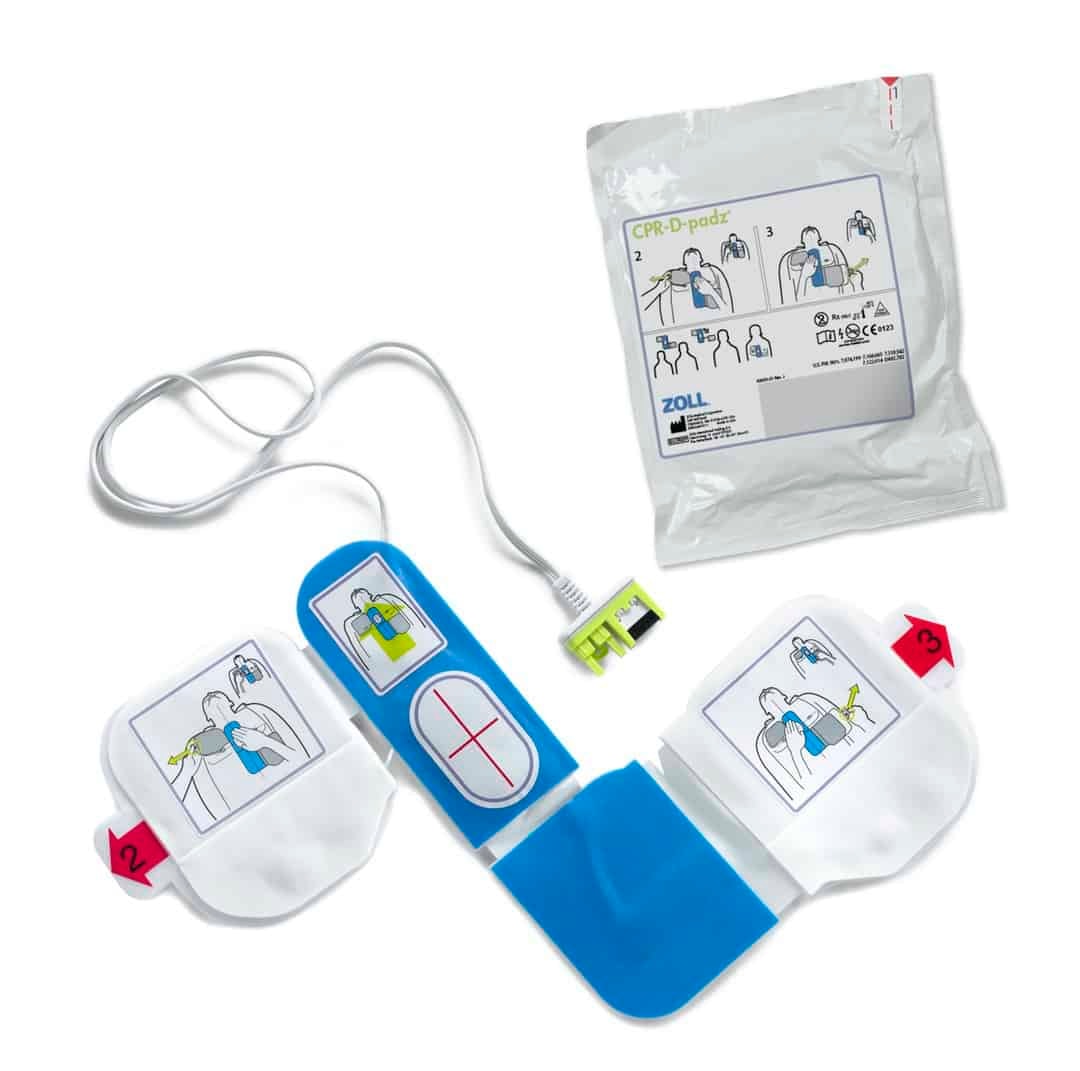
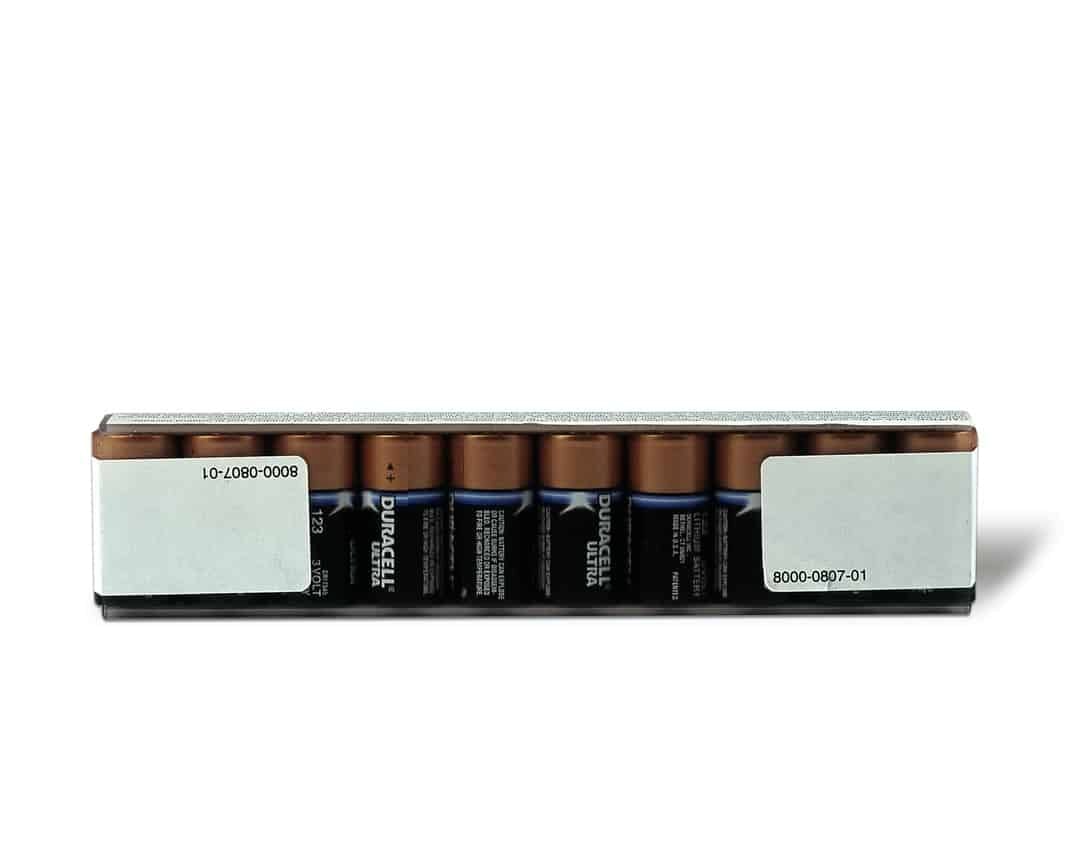
ZOLL AED Plus | CPR-D-padz one-piece electrodes: five-year shelf life | Type 123 lithium batteries: five-year battery life, supplied in replacement sets |
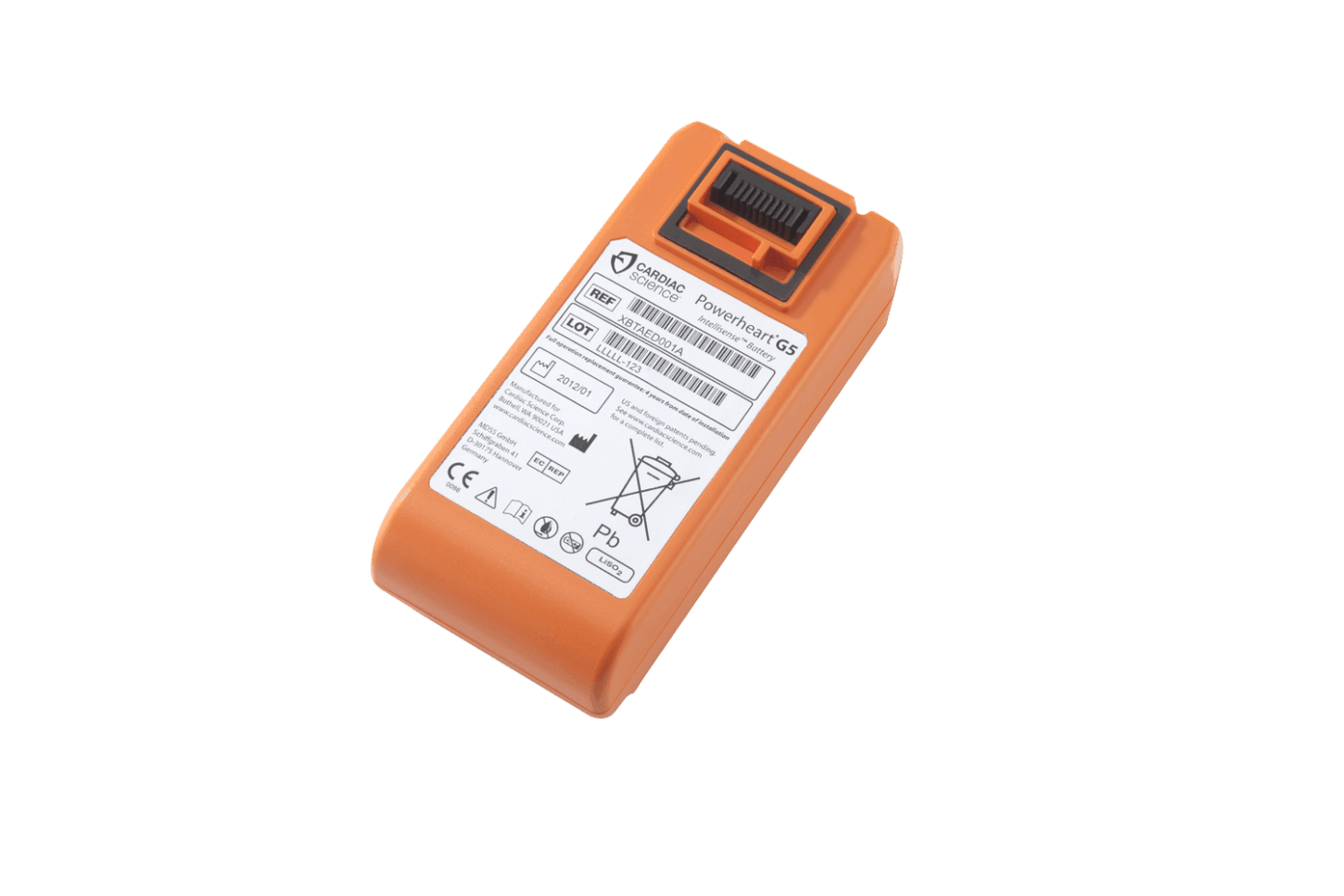
Powerheart G5 | Intellisense adult and paediatric pads: printed expiry date, monitored by the G5's Rescue Ready self-checks | Intellisense battery: four-year replacement programme |
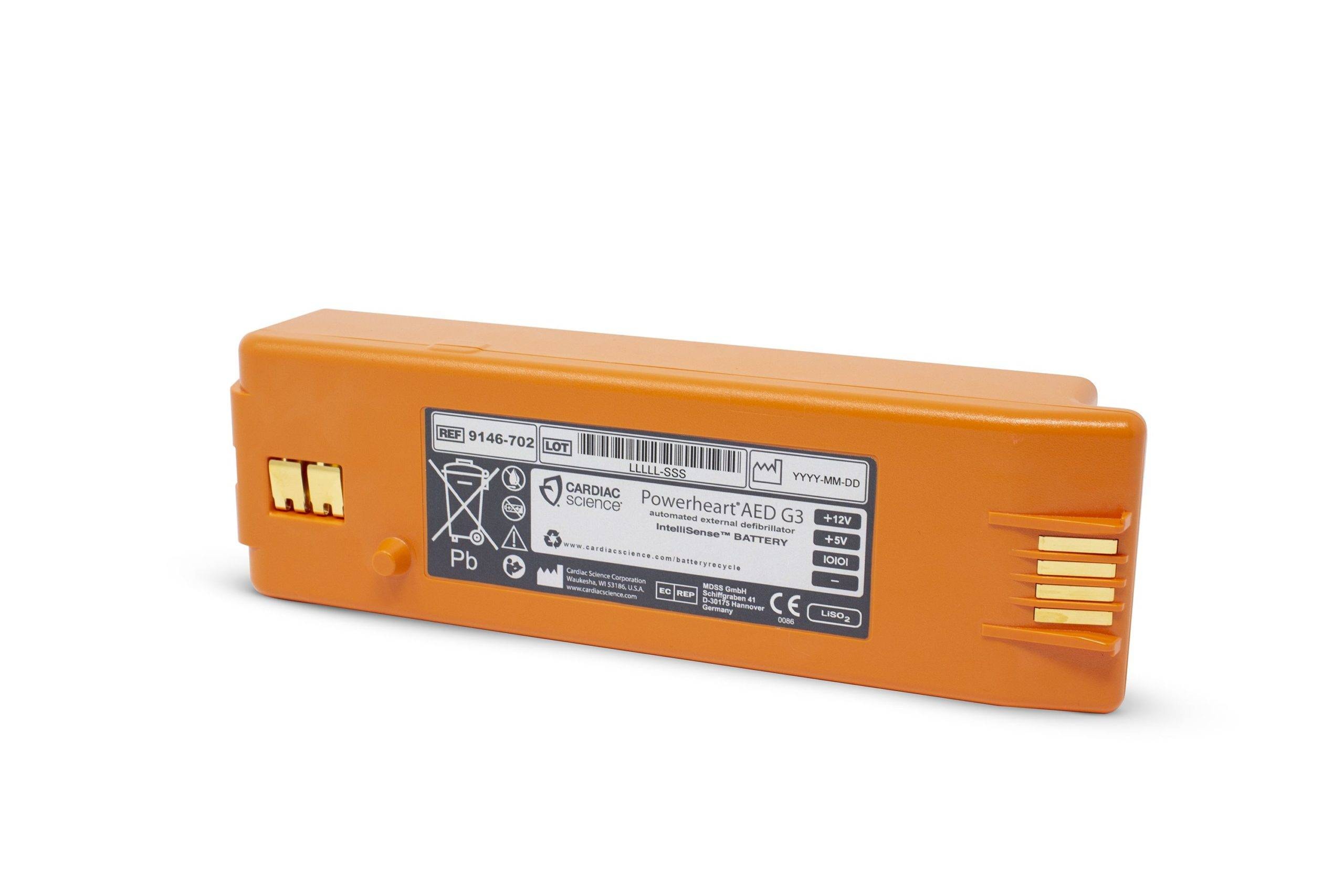
Powerheart G3 | Adult and paediatric defibrillation pads: printed expiry date | Intellisense batteries: four-year replacement programme |
Replacement Pads and Batteries
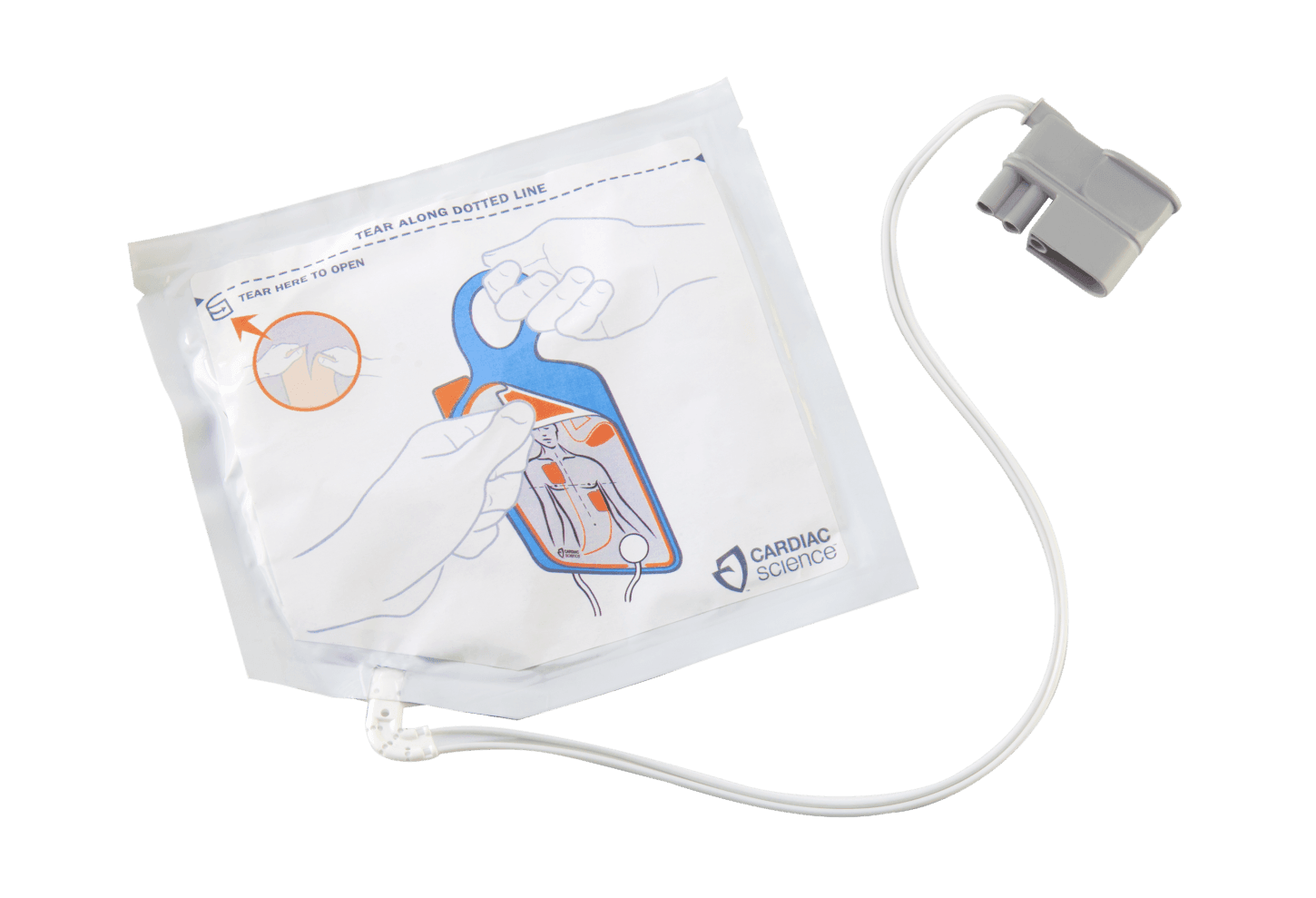
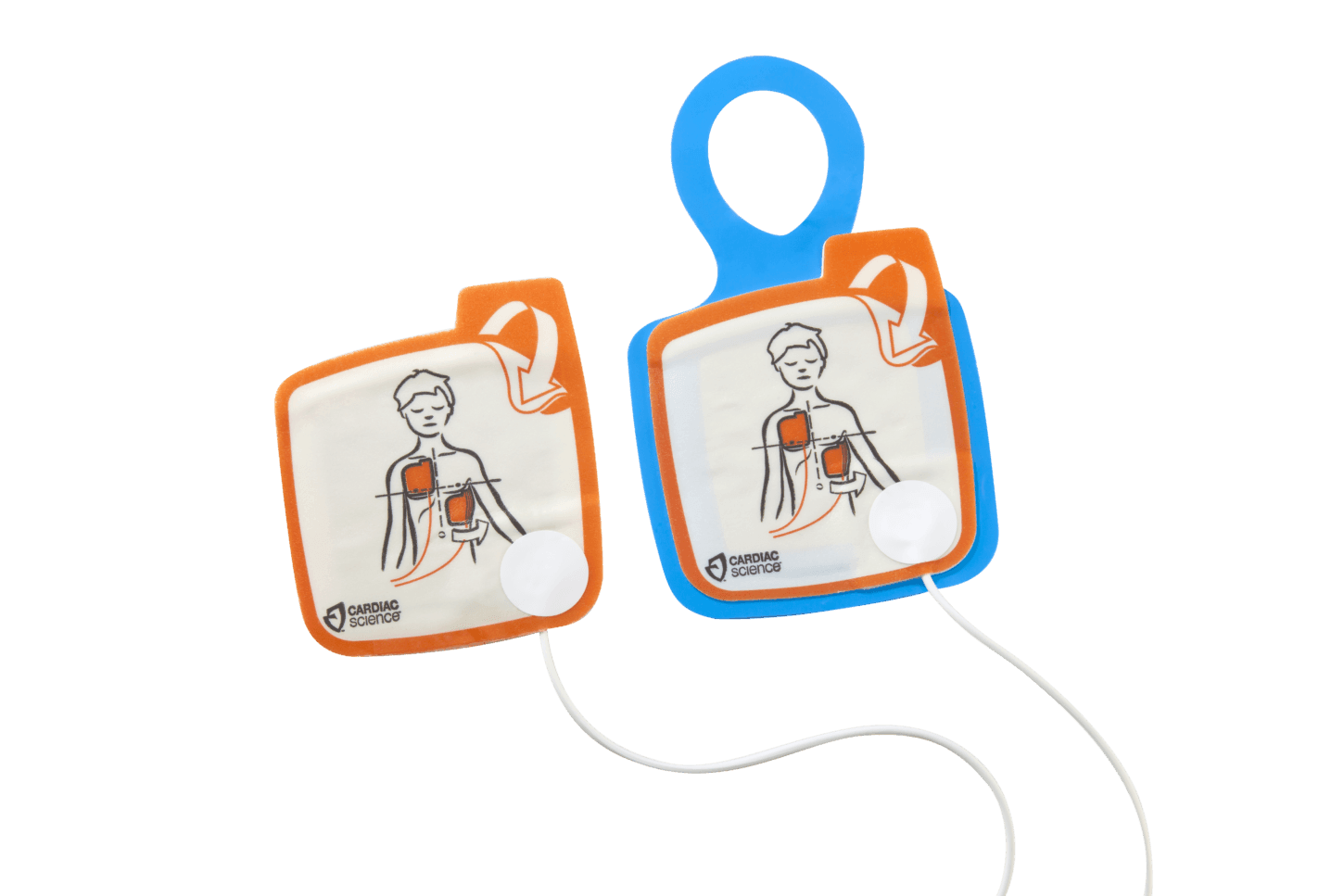
Pads and batteries for the ZOLL and Powerheart models covered in this guide, all supplied on quotation.
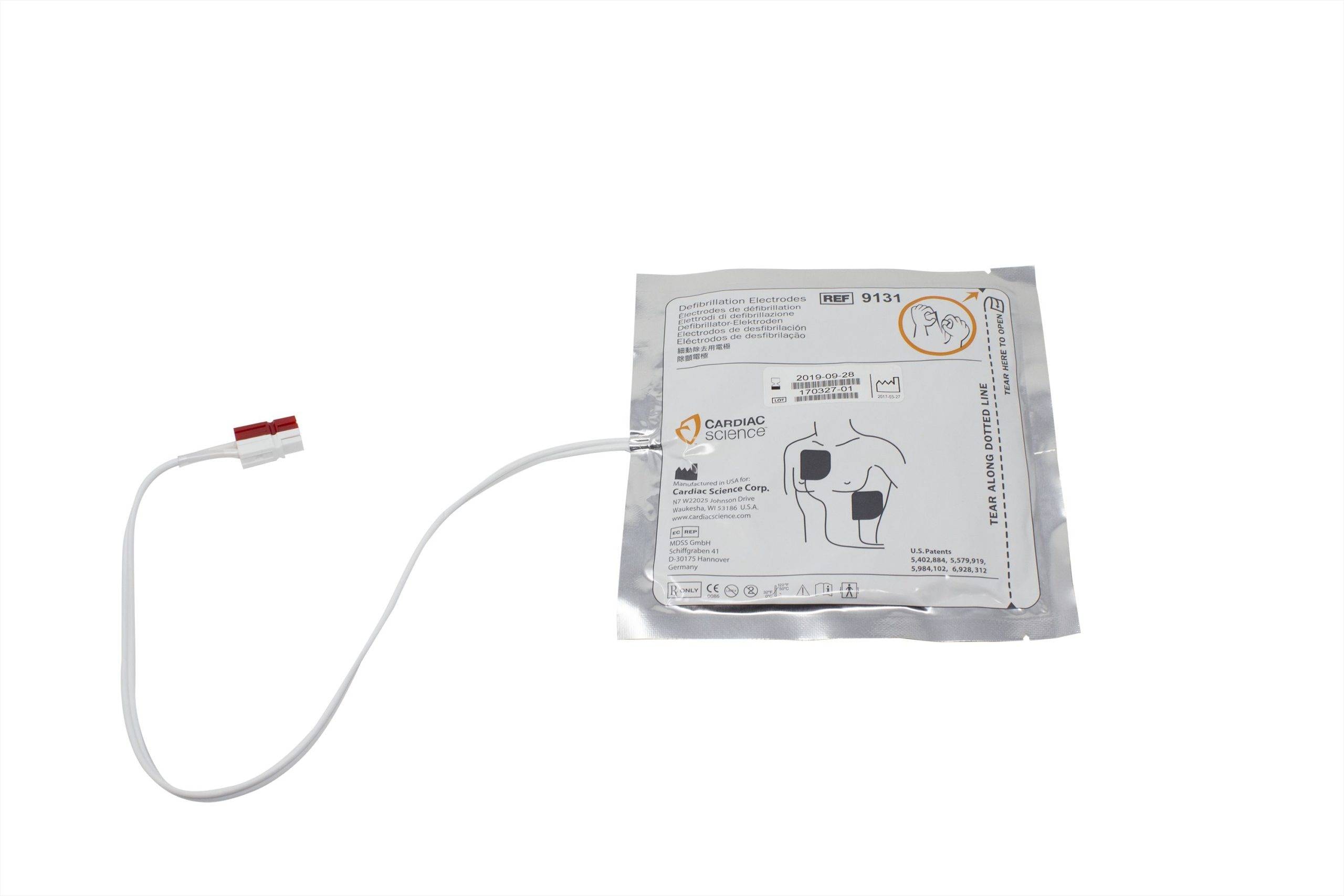
Replace Pads After Every Use
Defibrillation pads are single-use. Once a set has been opened or applied it must be replaced before the AED goes back on the wall, even if no shock was delivered. After any rescue, check the battery indicator at the same time and restock the rescue kit so the device is ready for the next emergency.
Adult Pads, Paediatric Pads and Training Electrodes
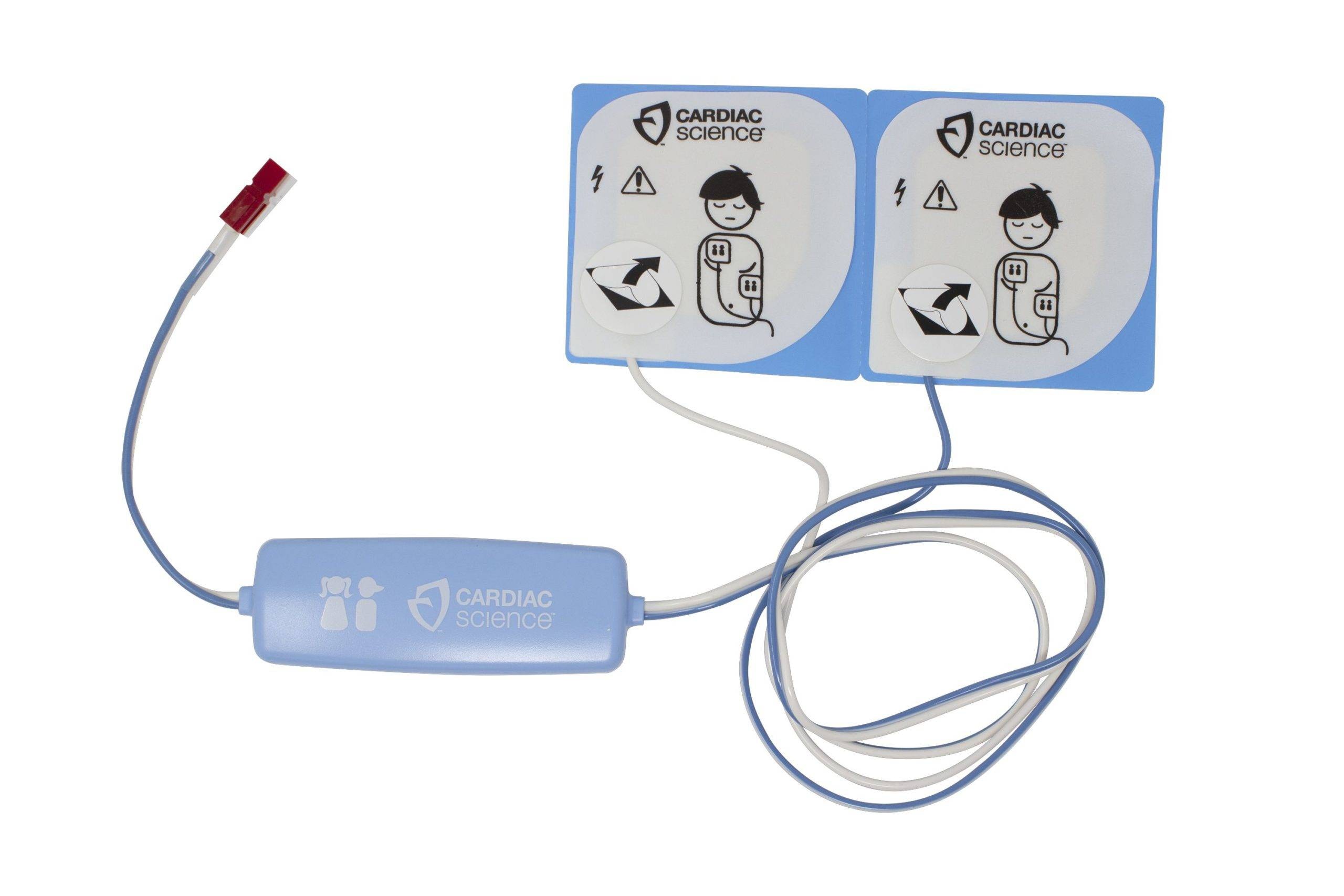
Whether you need a separate paediatric set depends on the model. The AED 3's CPR Uni-padz cover adult and child patients in one set. The Powerheart G3 and G5 use dedicated paediatric pads alongside the adult sets. Schools, creches and pools should confirm paediatric cover when ordering.
Training electrodes, such as the trainer electrodes for the Powerheart G3 Trainer, are for training devices only and must never be loaded into a live AED.
Not Sure Which Model You Have?
Matching consumables to the exact model matters because pad connectors and battery housings differ between AEDs, even within the same brand.
- 1
Check the Device
The model name is printed on the front or top of the device.
- 2
Check the Connected Pads
The packaging of the pads currently connected names the compatible AED.
- 3
Note the Serial Number
If the labels have worn, note the serial number from the rear label.
- 4
Send Photos
Or photograph the device and the pad connector and include the photos with your enquiry.
Keeping Your AED Rescue-Ready
Build a simple readiness routine: log the expiry dates of every pad set and battery when they arrive, check the status indicator on a set day each week or month, and order replacements ahead of expiry rather than after it.
Where an employer provides an AED as part of its emergency arrangements, the general duty under the Safety, Health and Welfare at Work Act 2005 to maintain workplace equipment extends to keeping the AED serviceable. In plain terms: a defibrillator that fails its self-check because nobody replaced the pads protects no one and is hard to defend afterwards.
Storage is part of readiness. Wall cabinets and AED accessories such as carry cases, signage and outdoor heated cabinets keep the device visible, protected and within its working temperature range, which also protects the consumables you have just paid to replace.
For multiple sites, send the device models and locations and the team can quote replacement cycles across the whole estate in one go.
Related Ranges and Guides
AED Training
Phoenix STS, which owns and operates safetyequipment.ie, runs the HeartSaver AED course for workplaces and community responders, so the people standing beside your AED know how to use it.
Everything AED in One Place
For the full picture, including equipment, placement advice, replacement pads and batteries, and Heartsaver AED training, see our AEDs and Defibrillators in Ireland hub. Advice from our fire engineers and health and safety consultants comes before any sale, and it is free.
AED Pads and Batteries FAQs
Replace pads at the expiry date printed on the packet, or immediately after any use. ZOLL's CPR Uni-padz for the AED 3 and CPR-D-padz for the AED Plus both carry a five-year shelf life. Powerheart Intellisense pads carry a printed expiry date, and the G5 monitors pad expiry through its self-checks.
Follow the manufacturer's programme for your model. The AED Plus runs on Type 123 lithium batteries with a five-year battery life, and the Powerheart G3 and G5 Intellisense batteries come with a four-year replacement programme. Whatever the calendar says, replace the battery whenever the device's status indicator calls for it.
It depends on the AED. The ZOLL AED 3's CPR Uni-padz cover adult and child patients in a single set. The Powerheart G3 and G5 use dedicated paediatric pads, so settings with children should keep both sets with the device.
The AED's self-check will normally flag the fault on its status indicator, and a device with expired consumables cannot be relied on in a rescue. Do not wait for the warning: log expiry dates when consumables arrive and replace ahead of the date.
No. Pad connectors and the electronics behind them are model-specific, so pads must be ordered for the exact make and model of AED they will live with. If you are unsure of the model, send a photo of the device with your enquiry.
It is good practice, particularly for sites that are far from a supplier or that serve both adults and children. Pads are single-use, so a spare set means the device goes straight back into service after a rescue instead of waiting on a delivery.
Include the AED make and model, quantities, expiry dates if relevant, delivery location and any accessory requirements.
Request a Quotation
Send the AED make and model, quantities, expiry dates and delivery location, and we will quote the replacement pads, batteries and accessories you need.